Afterglowscreensavers

Science & Research Screensavers

Two kinds of science, both live: real research output — new papers, preprints, datasets and grant awards streaming in from arXiv, Crossref, NIH, NSF and other open scholarly APIs — and the classic algorithms and data structures of computer science, animated step by step as they actually run. Free and fullscreen in your browser.
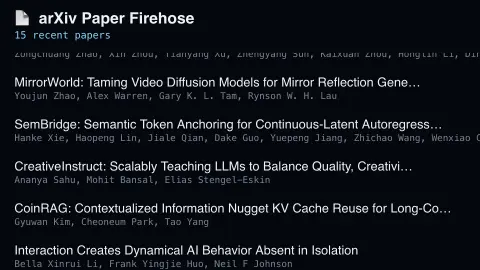
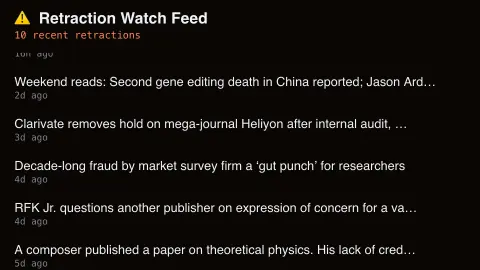
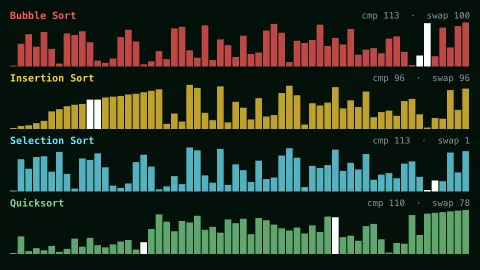
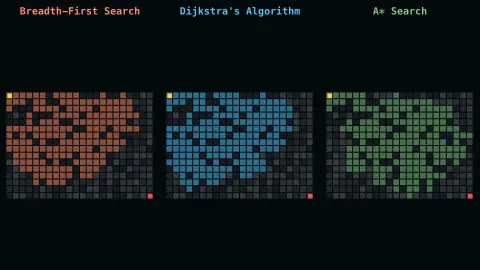
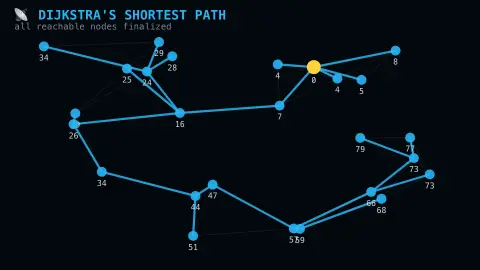
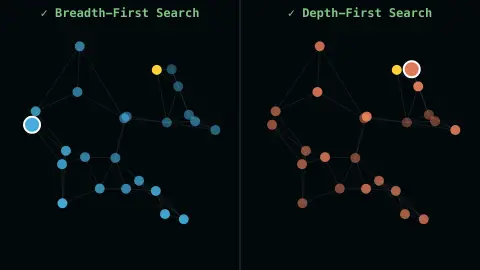
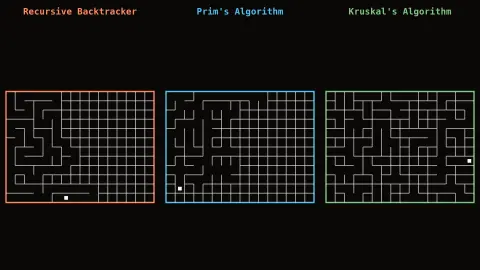
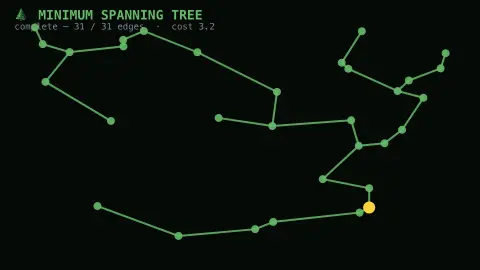
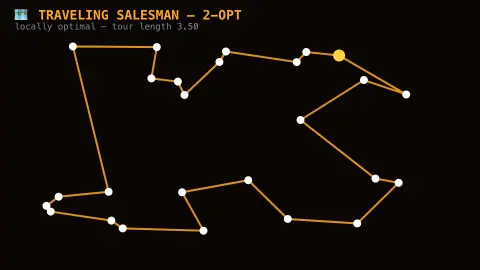
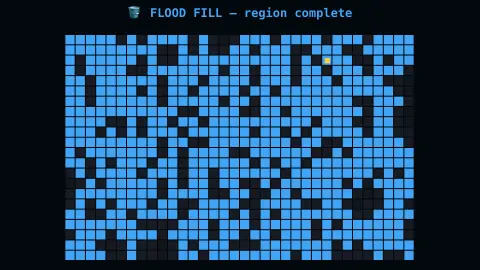
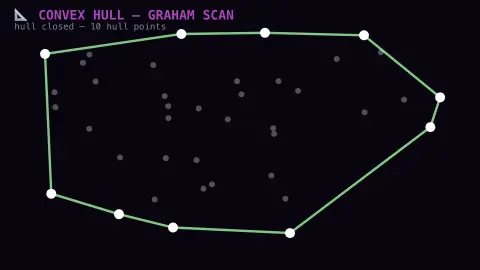
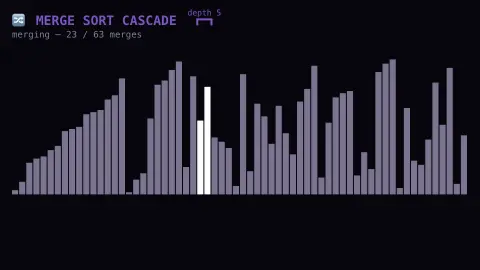
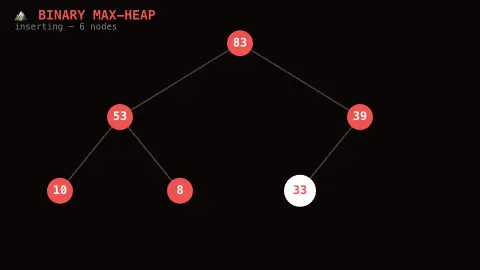
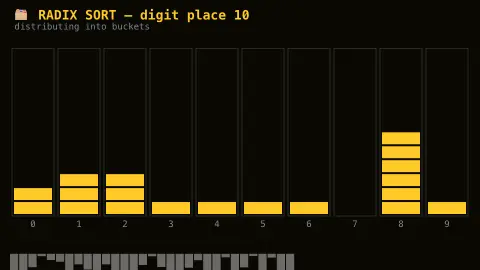
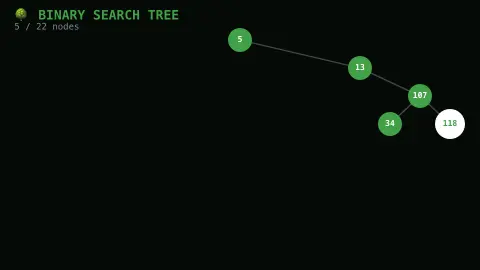
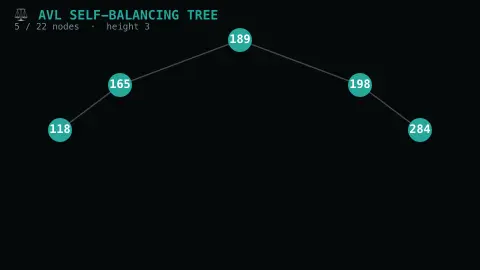
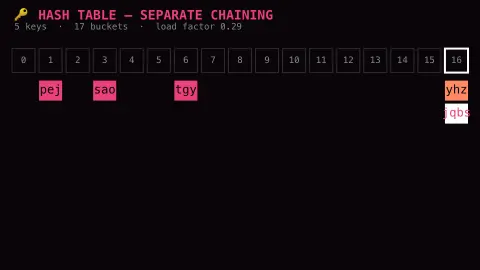
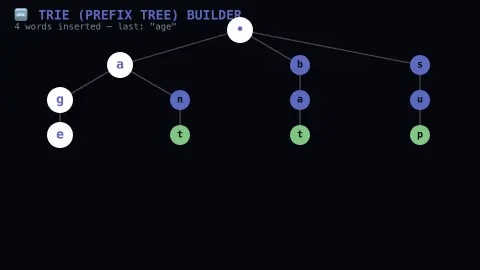
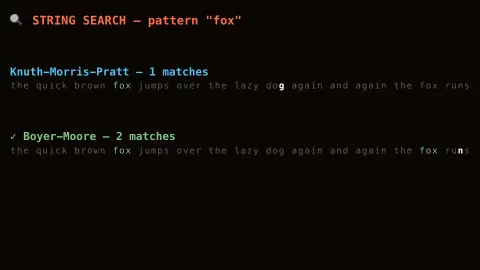
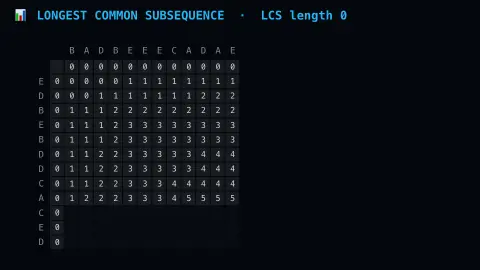
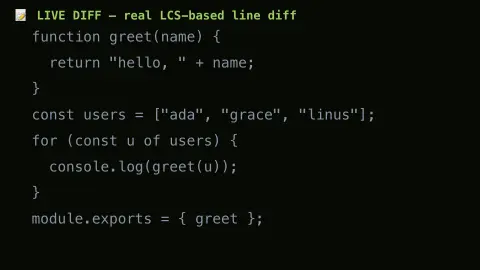
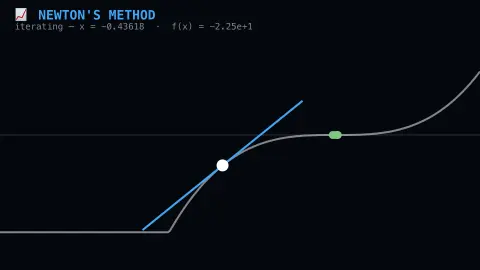
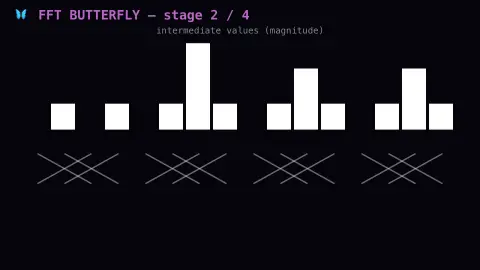
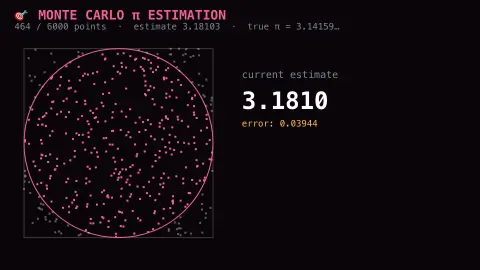
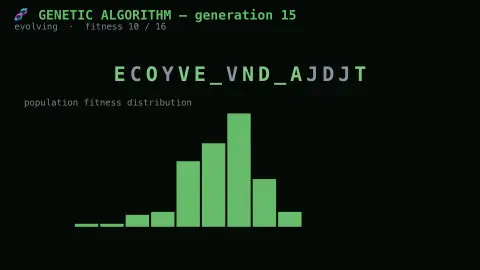
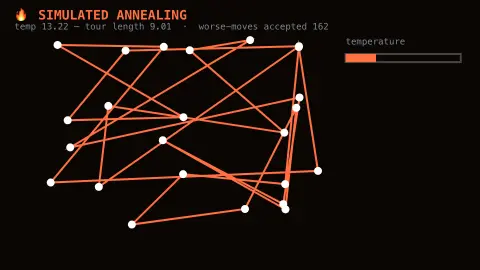
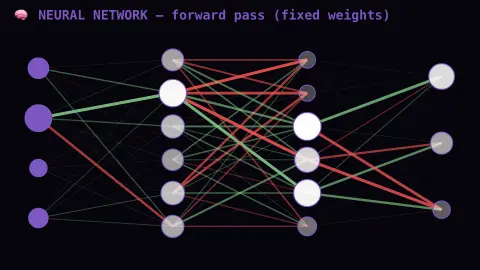
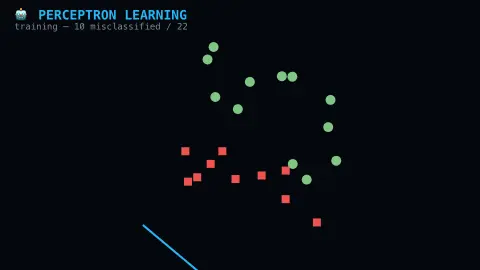
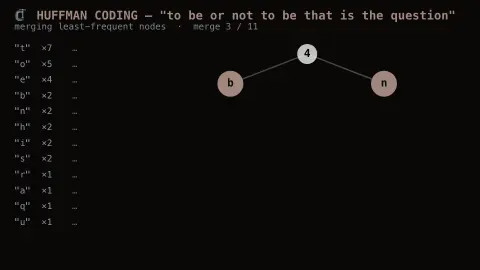
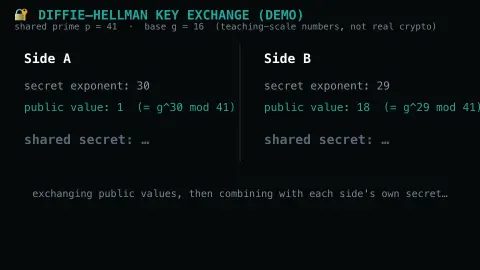
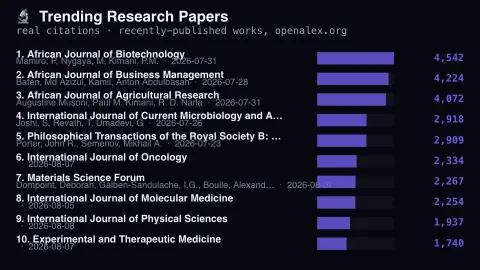
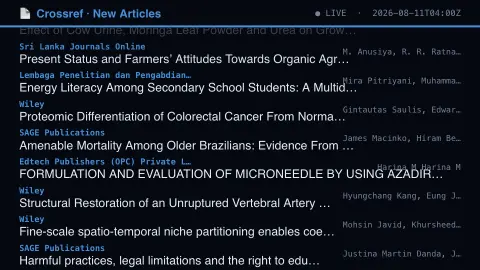
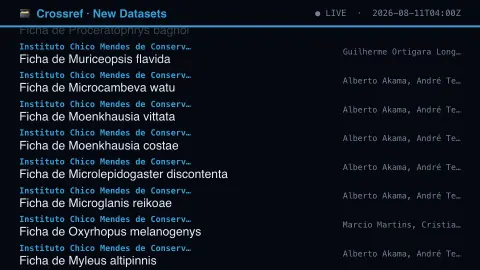
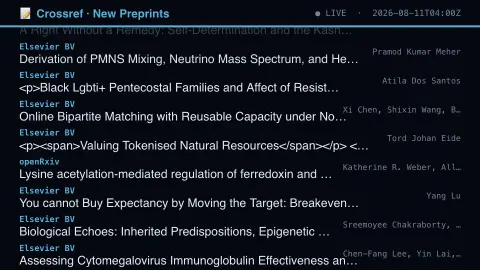
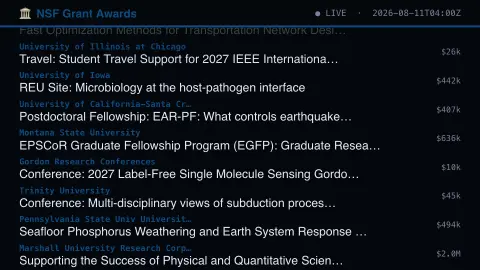
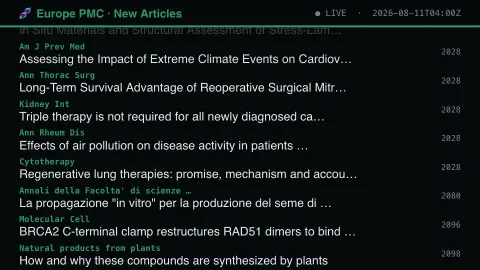
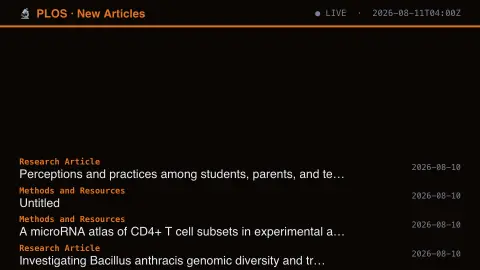
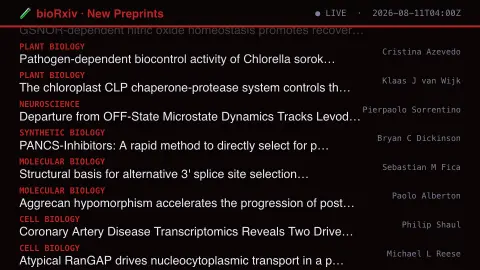
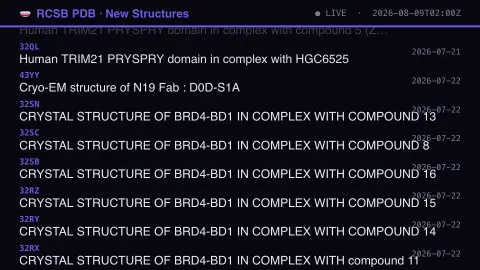
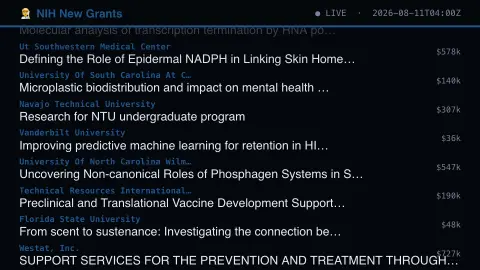
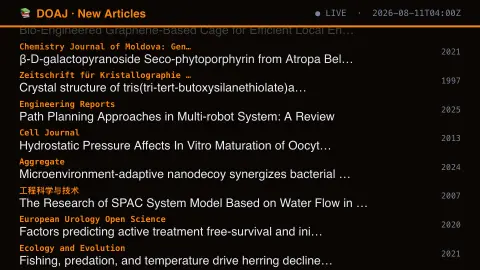
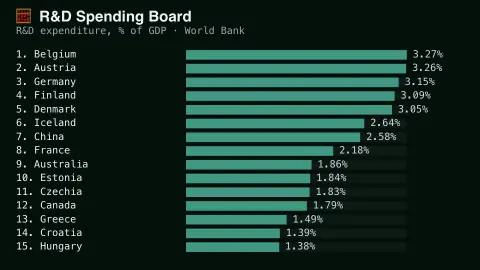
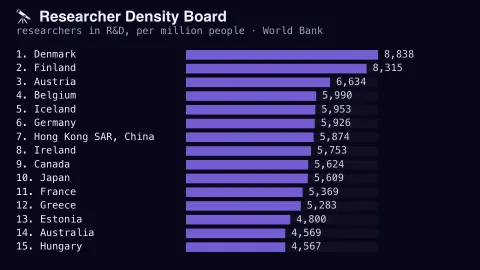
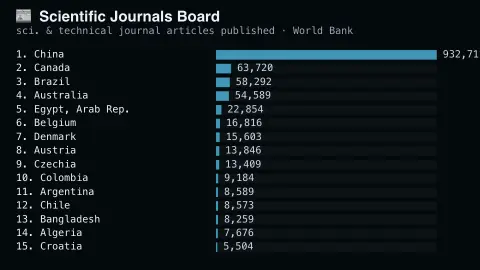
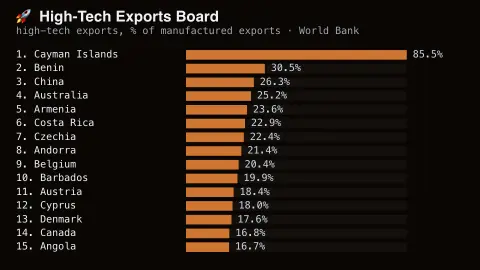
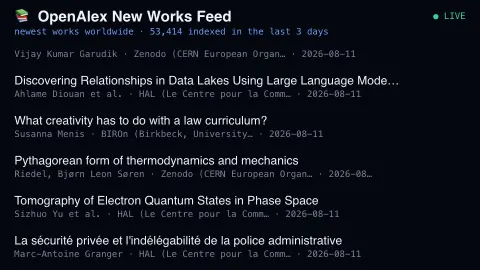
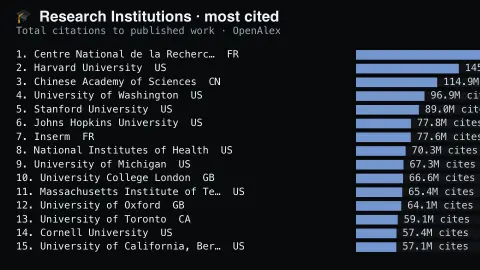
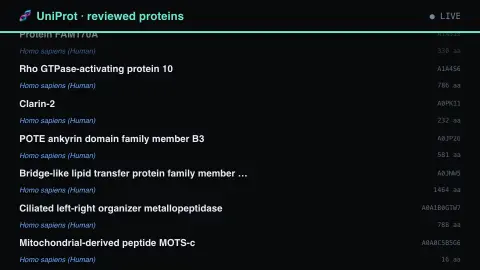
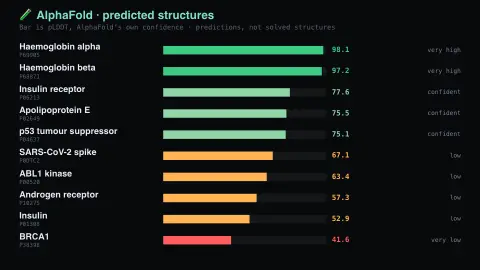
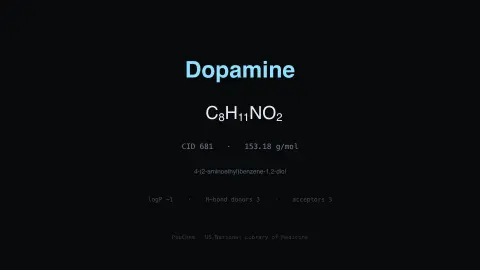
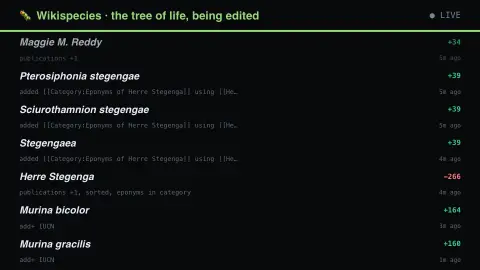
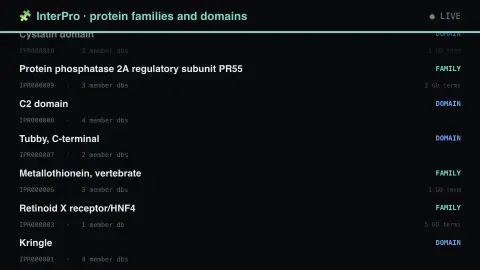
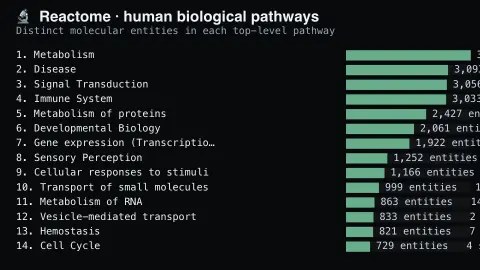
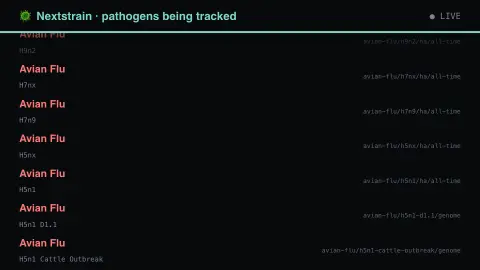
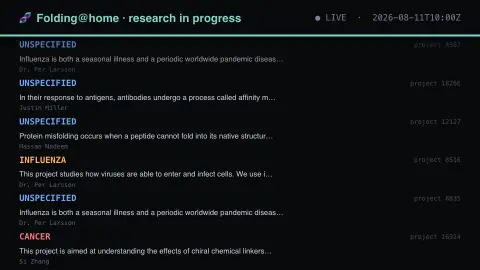
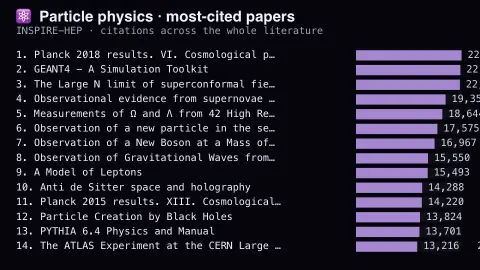
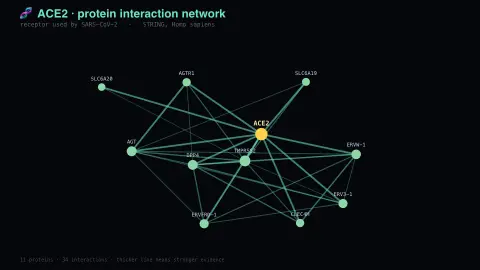
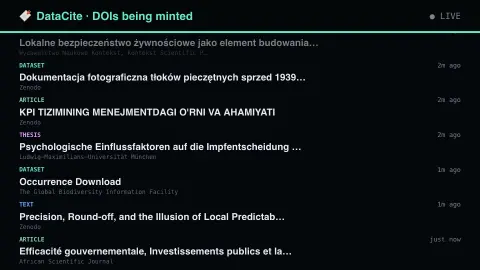
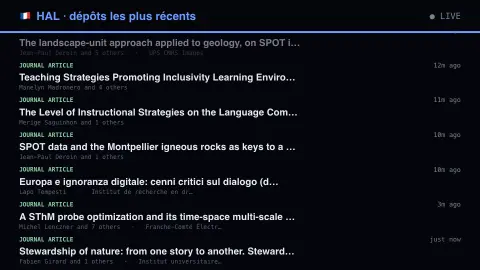
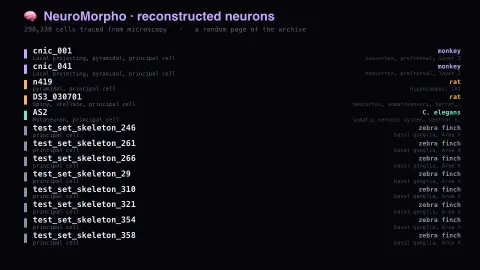
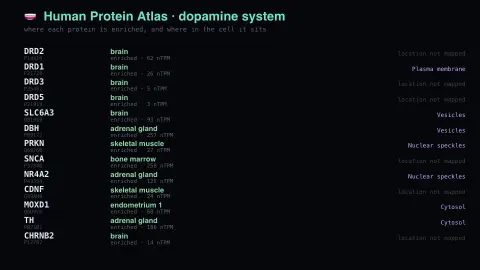
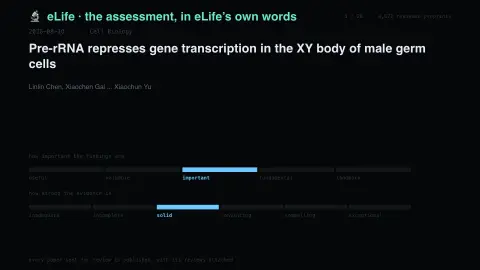
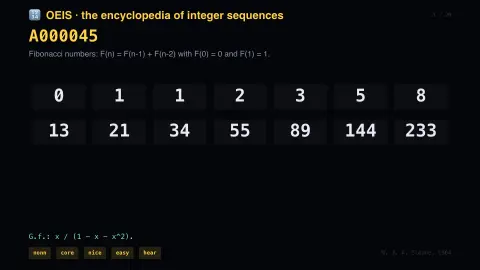
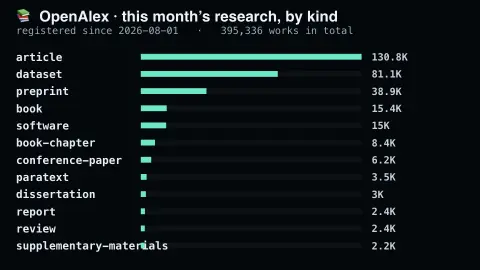
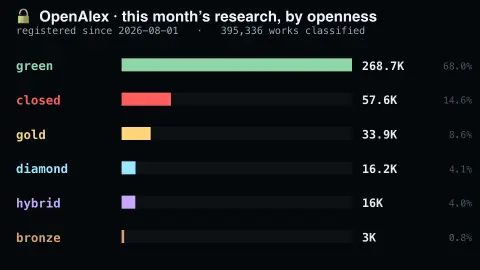
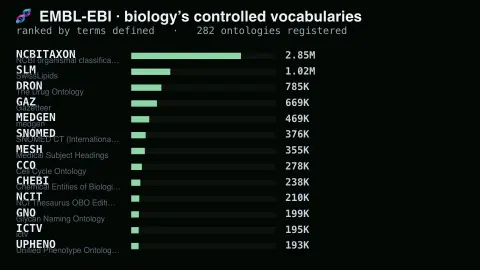
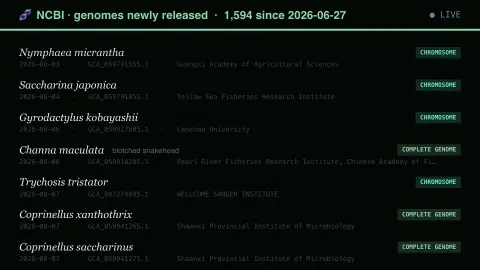
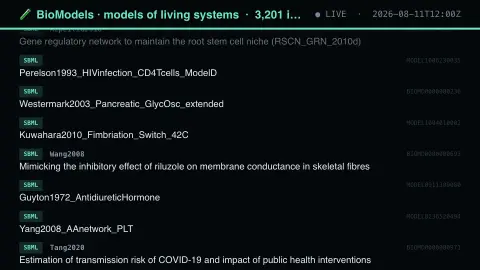
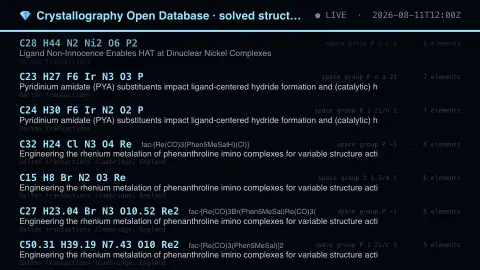
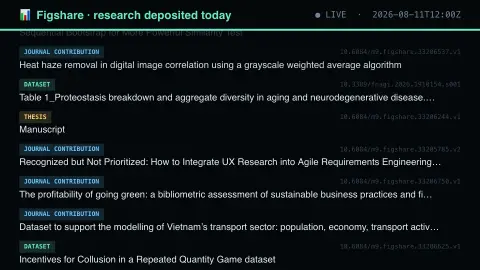
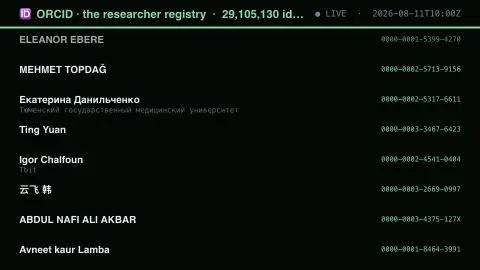
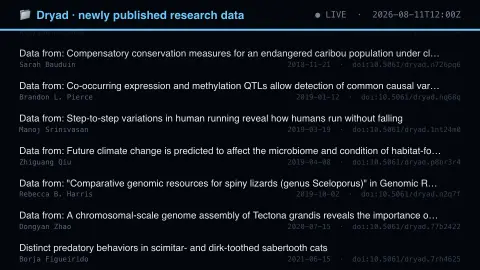
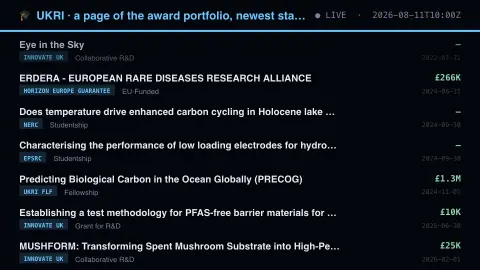
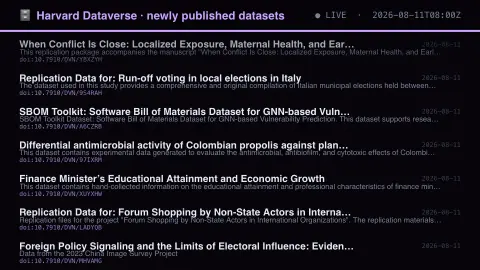
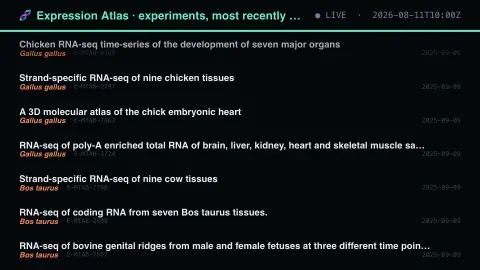
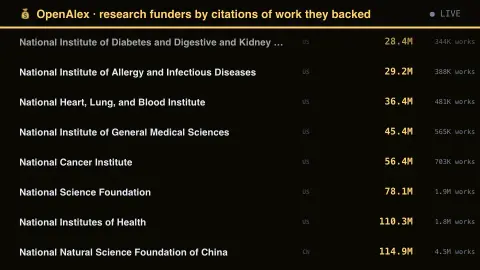
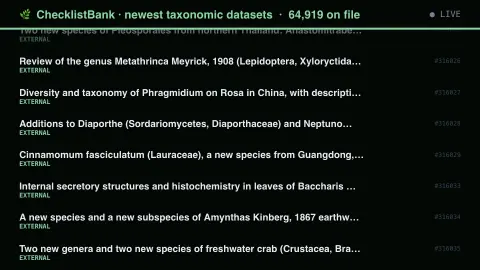
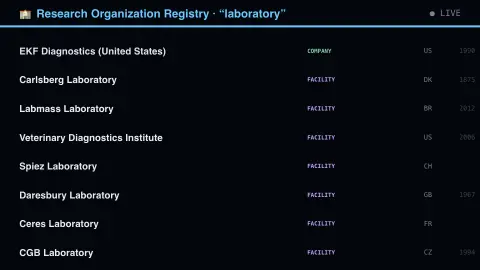
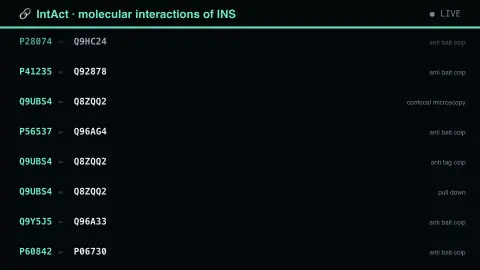
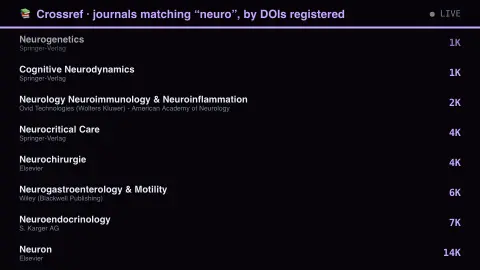
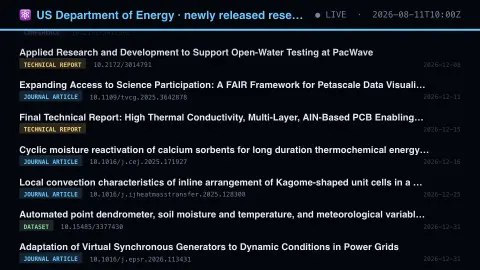
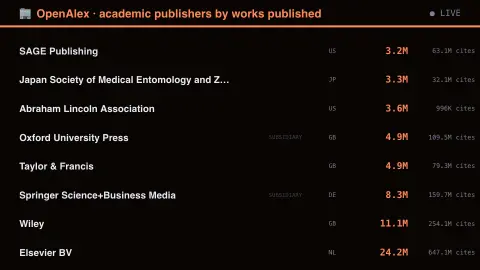
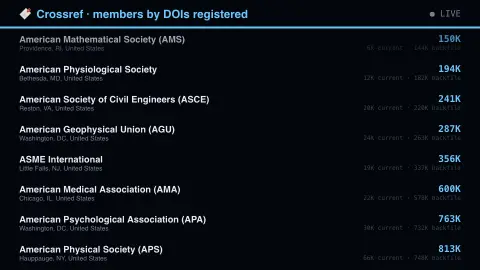
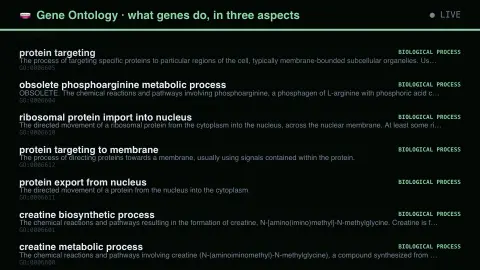
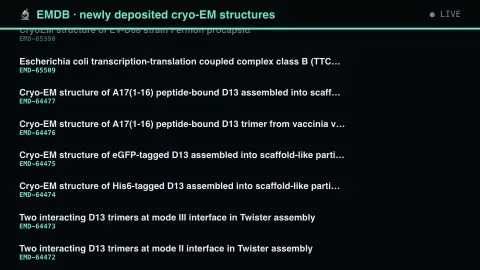
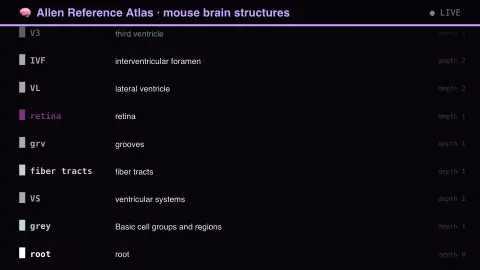
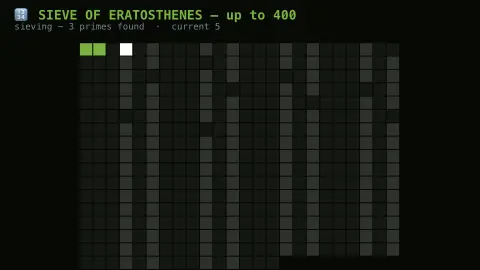
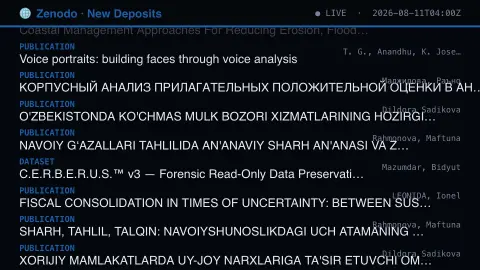
arXiv Paper FirehoseNew research papers, via the pipeline. Open → Retraction Watch FeedRetracted papers, refreshed by the pipeline. Open → Patent Filings TickerReal patent filing activity, pipeline-fed. Open → Sorting Algorithm RaceFour real sorting algorithms, racing live on the same data. Open → A* Pathfinding RaceA*, Dijkstra and BFS racing to solve the same live maze. Open → Dijkstra's Shortest PathA real expanding wavefront finding shortest paths, live. Open → BFS vs DFS ExplorerBreadth-first and depth-first search exploring, side by side. Open → Maze Generation RaceThree real maze algorithms building mazes, side by side. Open → Minimum Spanning Tree BuilderA real minimum spanning tree, grown edge by cheapest edge. Open → Traveling Salesman HeuristicsA real tour improving itself, city by city, swap by swap. Open → Flood Fill / Region GrowingA real flood-fill algorithm spreading through a random maze. Open → Convex Hull ConstructionA real convex hull, wrapped tight around scattered points. Open → Merge Sort CascadeA real merge sort, splitting and merging as a live tree. Open → Binary Heap BuilderA real binary heap, heapifying live as an actual tree. Open → Radix Sort BucketsA real LSD radix sort, dropping numbers into buckets. Open → Binary Search Tree BuilderA real binary search tree, growing from random inserts. Open → AVL Tree RotationsA real self-balancing tree, rotating itself back level. Open → Hash Table CollisionsReal keys hashing into buckets, colliding and chaining. Open → Trie BuilderA real prefix tree, growing branch by branch from words. Open → String Search RaceReal KMP and Boyer–Moore, hunting a pattern in live text. Open → Longest Common SubsequenceA real dynamic-programming grid, filling in live. Open → Live Diff VisualizerA real line-diff algorithm, comparing text live. Open → Sieve of EratosthenesA real ancient algorithm, sieving out primes live. Open → Euclidean GCD SpiralA real ancient algorithm, nesting squares down to the GCD. Open → Newton's Method Root FinderA real tangent line, converging on a function's root. Open → FFT Butterfly DiagramA real Fast Fourier Transform, computing live as a butterfly. Open → Monte Carlo π EstimationReal random darts, converging on the value of π. Open → Genetic Algorithm EvolverA real population, evolving toward a target over generations. Open → Simulated Annealing OptimizerA real cooling schedule, improving a tour as it cools. Open → Neural Network Forward PassA real small neural net, lighting up on live random input. Open → Perceptron LearningA real perceptron's decision line, rotating into place. Open → Huffman Coding Tree BuilderA real Huffman tree, built live from letter frequencies. Open → Diffie–Hellman Key ExchangeA real modular-exponentiation key exchange, step by step. Open → Trending Research PapersReal most-cited recent scholarly works. Open → Crossref New ArticlesReal newly-registered journal articles, live. Open → Crossref New DatasetsReal newly-registered research datasets, live. Open → Crossref New PreprintsReal newly-registered preprints, live. Open → NSF Grant AwardsReal NSF research grant awards, live. Open → Zenodo New DepositsReal newly-deposited open-science records, live. Open → Europe PMC New ArticlesReal new biomedical & life-science literature, live. Open → PLOS New ArticlesReal newly-published PLOS articles, live. Open → bioRxiv New PreprintsReal new bioRxiv & medRxiv preprints, live. Open → RCSB PDB New StructuresReal newly-deposited protein structures, live. Open → NIH New GrantsReal NIH-funded research grants, live. Open → DOAJ New ArticlesReal new open-access journal articles, live. Open → R&D Spending BoardReal R&D spending as % of GDP, ranked by country. Open → Researcher Density BoardReal researchers per million people, ranked by country. Open → Scientific Journals BoardReal scientific journal article output, ranked by country. Open → High-Tech Exports BoardReal high-tech export share, ranked by country. Open → OpenAlex New Works FeedEvery few seconds, new research lands. Open → Top Research InstitutionsWhere the citations pile up. Open → Protein FeedCurated proteins, one at a time. Open → AlphaFold PredictionsHow sure is the model, really? Open → Compound CardReal chemistry, one molecule at a time. Open → Genome CatalogueWhich species have been read. Open → Species Taxonomy EditsThe tree of life, being edited. Open → Protein FamiliesHow proteins get sorted. Open → Biological PathwaysThe machinery of a human cell. Open → Pathogen EvolutionWhat public health is watching. Open → Folding@home ProjectsResearch running on strangers' computers. Open → Physics Citation CanonThe papers the field is built on. Open → Protein Interaction NetworkWhich proteins work together. Open → DOIs Being MintedThe paper trail, forming. Open → French Open ArchiveMandatory deposit, broad results. Open → Reconstructed NeuronsOne traced cell at a time. Open → Where A Protein LivesEnriched somewhere, not just present. Open → Peer Review Said Out LoudThe judgement is printed on it. Open → The Encyclopedia Of IntegersWhere mathematicians go to look things up. Open → The Other Half Of PreprintsThe servers the science feeds miss. Open → What Research Looks LikeDatasets and preprints now rival papers. Open → Who Can Actually Read ItGold, green, bronze and closed. Open → The Vocabularies Biology Runs OnHow two databases agree on a word. Open → Genomes Finished This MonthNow a provincial lab, not a decade. Open → What Europe Is FundingNewest projects on the EU register. Open → Biology as EquationsA working simulation of something alive. Open → Where the Atoms SatSomeone solved where every atom sits. Open → Deposited TodayThe things that never fit in a journal. Open → What the Genome Tracks WithTraits, and the variants beside them. Open → Released to the Archive TodayThe data behind papers, as it lands. Open → Genomes Being DepositedPathogen surveillance, crops, soil. Open → The Chemistry of Being AliveBalanced equations from inside cells. Open → Everyone With a Researcher IDThirty million people, one problem. Open → The Spreadsheets Behind PapersThe numbers a figure was drawn from. Open → Where Britain Funds ResearchAwards, funders and what they cost. Open → The Data Behind The PapersReplication packages, as deposited. Open → Which Genes Are Switched OnPlants and livestock, not just us. Open → Who Pays For ScienceRanked by citations they bought. Open → Cataloguing LifeThe world’s mosses, one list at a time. Open → Every Institution Has An IdBecause names are written forty ways. Open → Proteins That TouchMany only work as pairs of themselves. Open → How Big Is A JournalNot impact. Just how much exists. Open → What Energy Just ReleasedDatasets beside the journal articles. Open → Who Owns The LiteratureElsevier, then everyone else. Open → Who Registers The DOIsBackfile means somebody scanned it. Open → Machines Made Of ProteinsCurated by hand, not inferred. Open → The Vocabulary Of What Genes DoProcess, function, component. Open → Structures Frozen Mid-ReactionMolecules that never crystallised. Open → The Mouse Brain In Its ColoursEach region drawn in its own hex. Open →

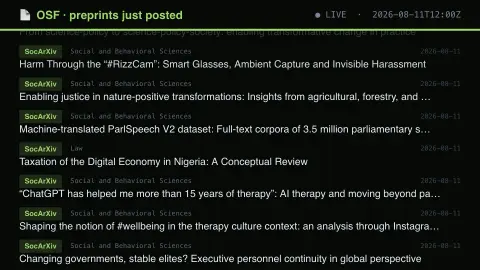
The data feeds here read real, key-less scholarly APIs — Crossref, arXiv, Zenodo, PLOS, bioRxiv, the NIH and NSF grant registries and more — and stream genuine new records as they're published or awarded, the same way the site's news tickers work. The algorithm visualizations are a different kind of "real": each one runs an actual textbook implementation (sorting, pathfinding, graph traversal, cryptography) on real or randomly-generated input, so what you're watching is the algorithm's true behavior, not a canned animation.

Frequently asked questions

Is the research data real?
Yes — it's read live from Crossref, arXiv, Zenodo, PLOS, bioRxiv, NIH RePORTER, NSF and similar open, key-less scholarly APIs, the same sources researchers and librarians use.
Are the algorithm animations really running the algorithm?
Yes — each one executes a real implementation (not a pre-recorded animation) on the input shown, so the steps you see are the algorithm's actual behavior.
Do the algorithm visualizations need an internet connection?
No — they run entirely in your browser. Only the live research-data feeds need a connection.
How often do the research feeds update?
Most poll their source API every few minutes for newly published or awarded records; country-level indicator boards refresh as their underlying dataset is republished.